
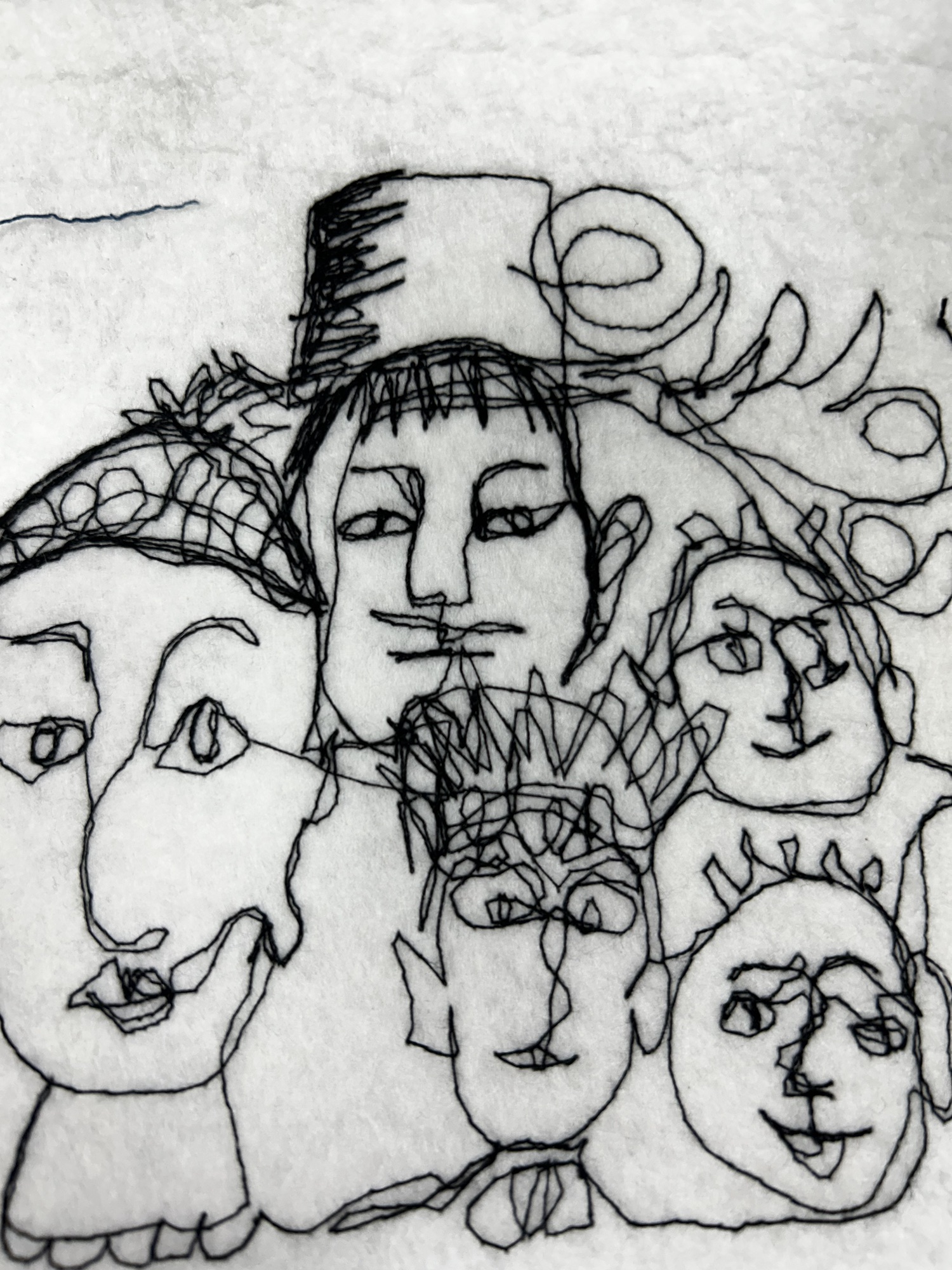
My Upcoming Journey to Gujarat: Research, Making, and Looking Towards a PhD
For the past few months, I’ve been carefully planning my next research trip—a solo journey to Gujarat, India, where I’ll be spending just over three weeks immersed in some of the region’s extraordinary textile traditions. This isn’t simply a holiday or an opportunity to learn a new craft; it feels like an important step in the development of my artisticpractice and the direction I hope my research will take in the years ahead.
Why Gujarat?
My interest in Gujarat has grown steadily over several years. Its textile traditions have long fascinated me, not only because of their extraordinary beauty and technical skill, but because they tell stories of identity, place, memory, and cultural heritage. Here, craft isn’t something preserved behind museum glass—it continues to be lived, practised and passed from one generation to the next.
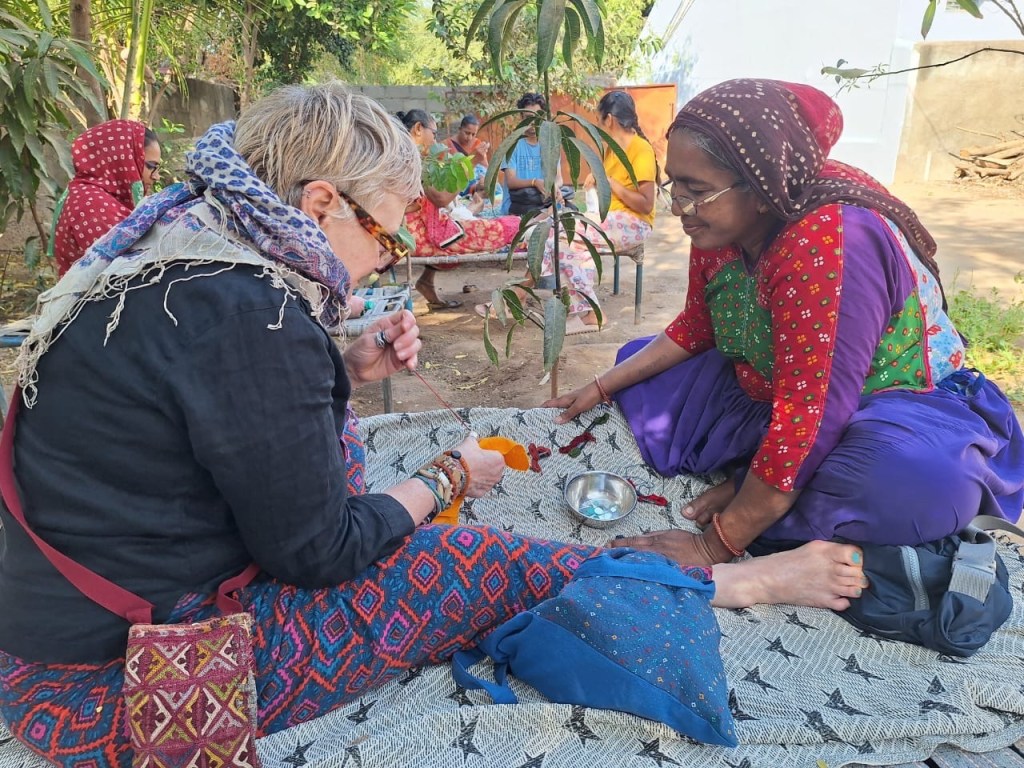
As an artist, I’m increasingly interested in understanding these traditions through lived experience rather than simply reading about them. I want to spend time with the people who make, teach and preserve these crafts, learning through conversation, observationand making. It feels like the beginning of a body of research that sits between contemporary art, textiles, material culture and craft—research that I hope, one day, to formalise through a PhD.
In many ways, this journey exists because a grant application didn’t goto plan. While I was naturally disappointed not to receive the funding, the process gave me something just as valuable: clarity. It confirmed that this was the direction I wanted my practice to take. As an independent artist, I don’t have institutional funding behind me, so opportunities like this require months of saving, careful planning and a fair amount of creativity. This trip represents a personal investment in my future practiceand in the questions I want to spend the next few years exploring.
One of the places I’m most looking forward to returning to is the Gandhi Ashram. I first visited several years ago and, quite unexpectedly, it became one of the starting points for everything that has followed. During that visit, I met a woman who suggested I visit Raasleela, a design studio that celebrates traditional textiles and embroidery. I went along out of curiosity and immediatelyconnected with both the textiles and the ethos behind the work.
Although I didn’t meet Hetal, the founder, during that first visit, we-stayed in touch by email. This time I’ll finally have the opportunity to meet her in person, learn more about her work, and spend time at the studio. Looking back, it’s interesting how a chance conversation at the Ashram quietly led me here. At the time I had no idea it would become part of a much bigger journey.
Another highlight will be travelling to Ajrakpur, where I’ve been fortunate enough to arrange time learning with master printer and natural dyer Sufyian Khatri. Ajrakh is a tradition I’ve admired for many years. Beyond its extraordinary technical complexity, what fascinates me is the way generations of knowledge, patience and cultural understanding are embedded within every stage of the process. My intention isn’t simply to learn how Ajrakh is made, but to understand it within its wider cultural context and consider how I might thoughtfully respond to it through my own creative practice.
I’m also hoping to catch up with Adam Khatri, whom I haven’t seen since my last visit in 2018, making this part of the journey feel a little like returning as well as discovering.
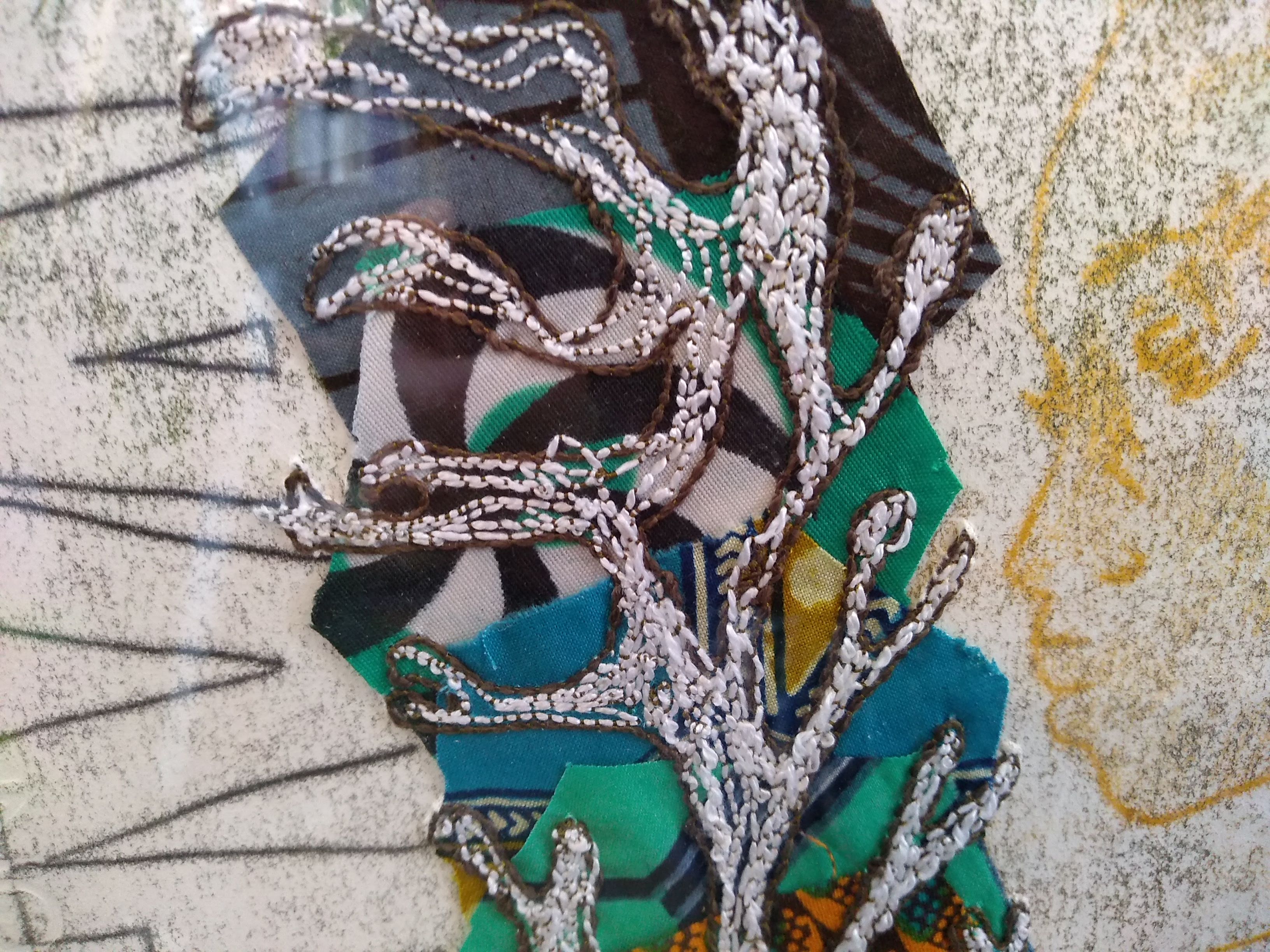
Whenever I learn traditional stitch, I don’t see myself as reproducing it exactly. I often describe what I teach as a translation rather than a replication. Every stitch belongs to a particular place, community and history. Understanding that context feels just as important as learning the technique itself, and I hope this trip will deepen that understanding.
I’ll begin my journey in Ahmedabad, a city I’m looking forward tospending more time in. Alongside returning to Gandhi Ashram and visiting Raasleela, I’m hoping to spend time at the Calico Museumof Textiles, revisit the ISKCON Temple and, if the weather allows, explore some of Gujarat’s remarkable stepwells. I’m also planning to do what has served me well on previous trips—befriend a localauto-rickshaw driver. In my experience, they’re often the bestguides to the places no guidebook ever mentions.
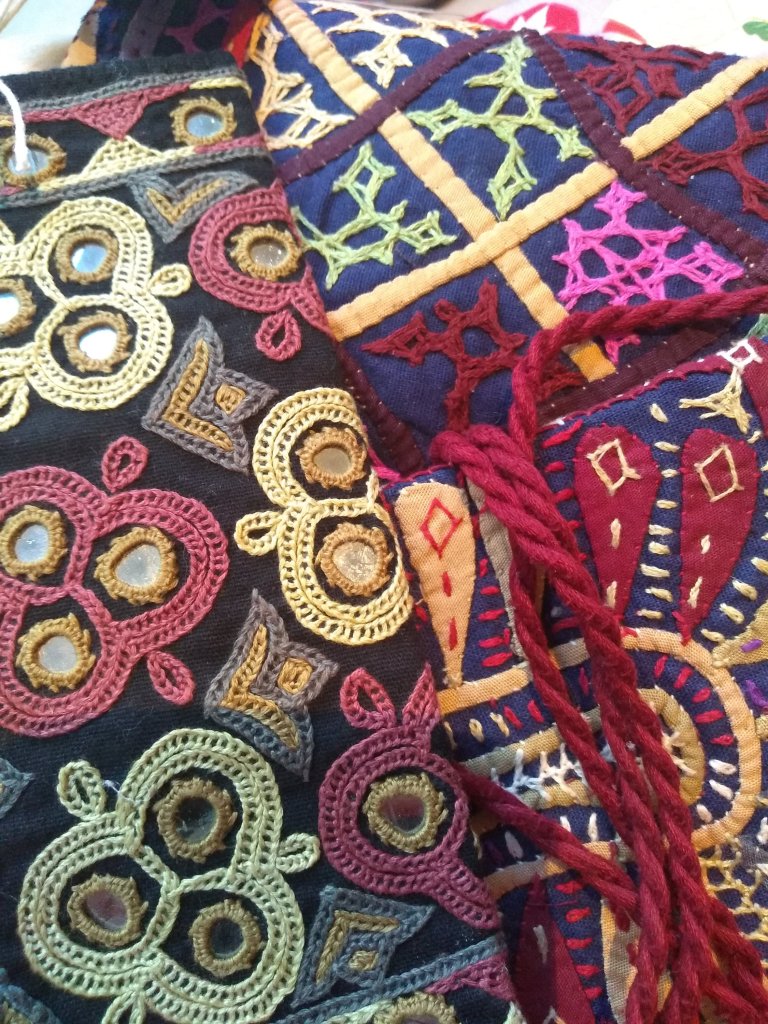
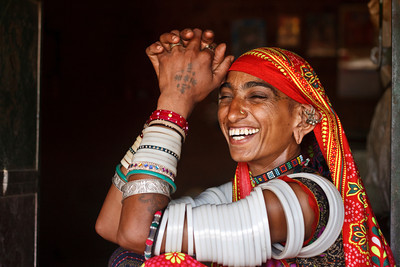
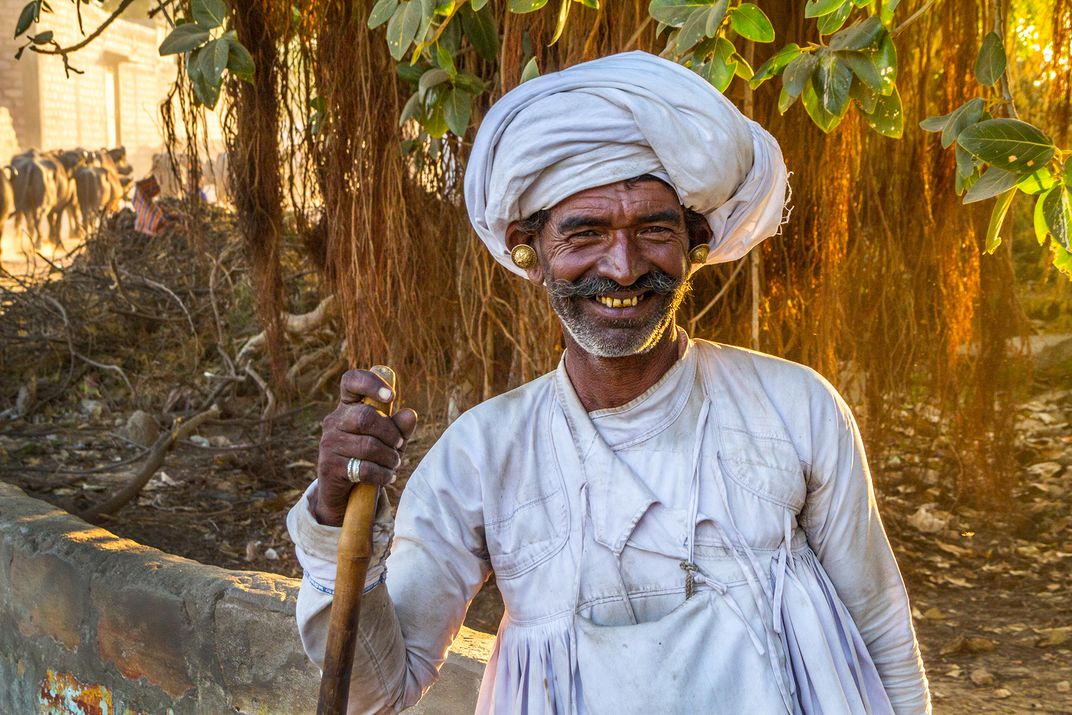
From there, I’ll travel through Kutch, returning to one of my favouriteplaces from my previous visit: the Living and Learning Design Centre (LLDC). I left inspired the last time I was there and I’m looking forward to seeing it again with fresh eyes. I’ve also arranged several embroidery workshops where I hope to learn more about how knowledge is passed between generations of artisans. I’m especially excited about the possibility of encountering Rabari and Ahir embroidery, and meeting both Pabiben Rabari and Geetaben Rabari—two women whose work I’ve admired for some time.
I’ve also sent a rather hopeful message to Lisa Hall at Madame Hall Design Studio in Bhuj and, perhaps a little cheekily, invited myself over for a cup of chai. Whether that comes to anything or not, I’ve learnt that-some of the best experiences while travelling begin with simply asking.
While textiles are at the heart of this journey, I’m equally interested in the everyday culture that surrounds them. Food has always felt like another way of understanding a place, so I’m looking forward to trying a traditional Gujarati thali and discovering dishes I’ve neverencountered before. Like textile traditions, recipes are passed from one generation to the next, carrying stories of family, community and place.
If I’m fortunate, my visit will also coincide with local festivals and celebrations. Beyond the colour and spectacle, I’m interested in seeing how music, dance, food and craft come together in everyday life. I have a feeling that some of the most memorable moments from this trip will be the ones I haven’t planned at all.
Three weeks is only a brief moment within traditions that have evolved over centuries, and I know I’ll only scratch the surface. Rather than expecting answers, I’m approaching this experience with curiosity, openness and a willingness to listen. I hope it raises new questions, challenges my assumptions and influences the wayI think about making, research and storytelling through textiles.
More than anything, I see this journey as an investment in my future as both an artist and a researcher. I hope it becomes one of many research trips that gradually build into a sustained body of workand, in time, provide the foundations for doctoral research.
As I leave for Gujarat, I know I won’t come home with all the answers. What I hope to bring back are new questions, new relationships anda deeper understanding of the traditions that continue to shape my practice. If this journey marks the beginning of a larger body of research, I’m excited to see where it leads.
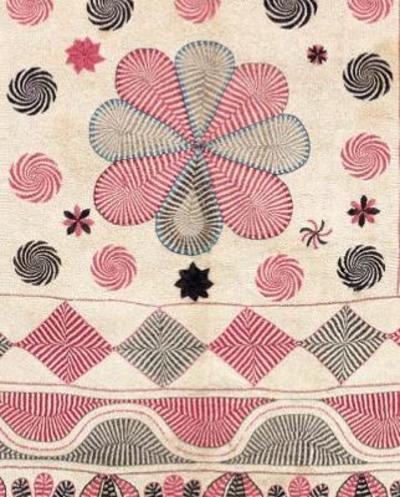
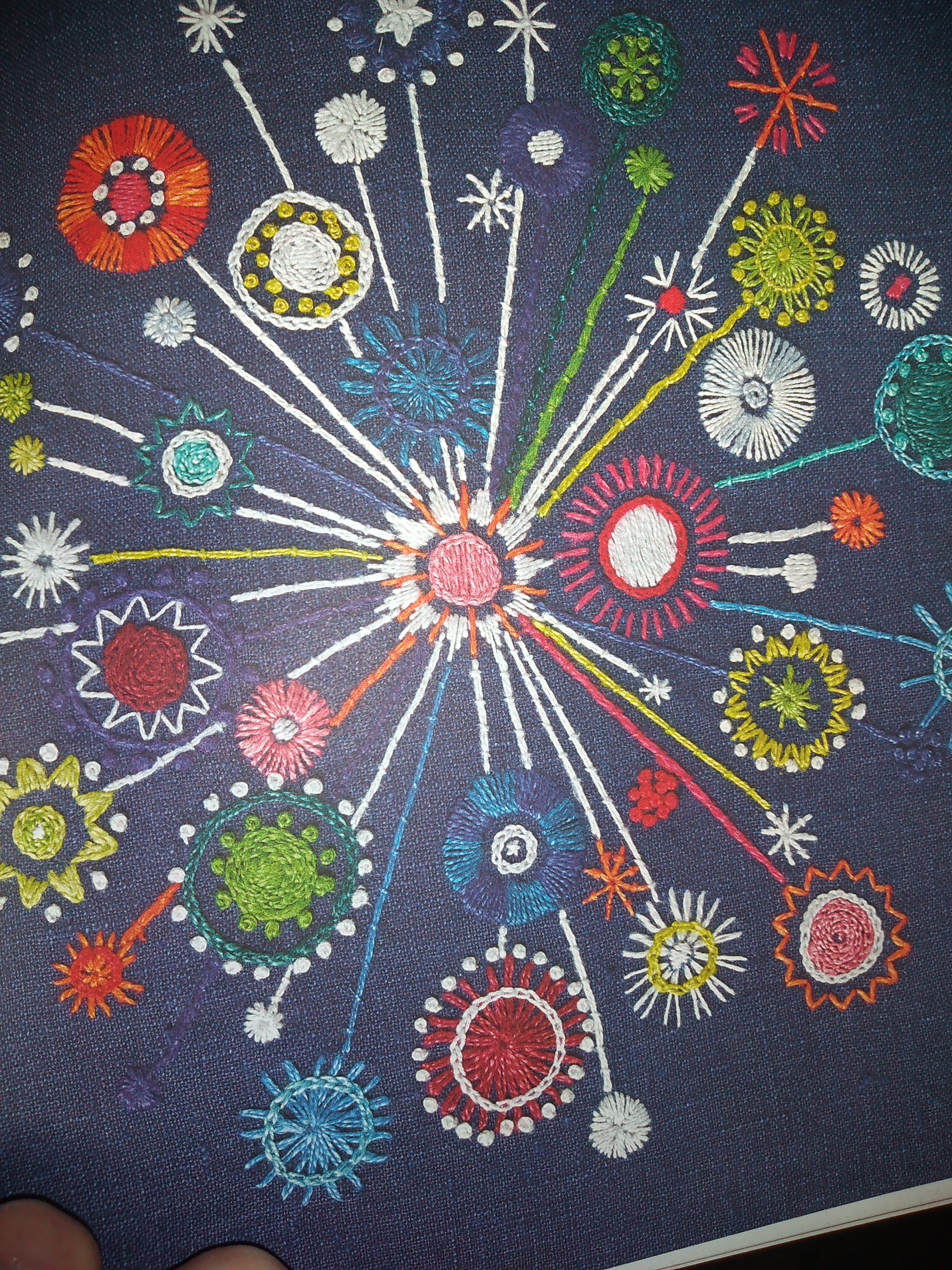
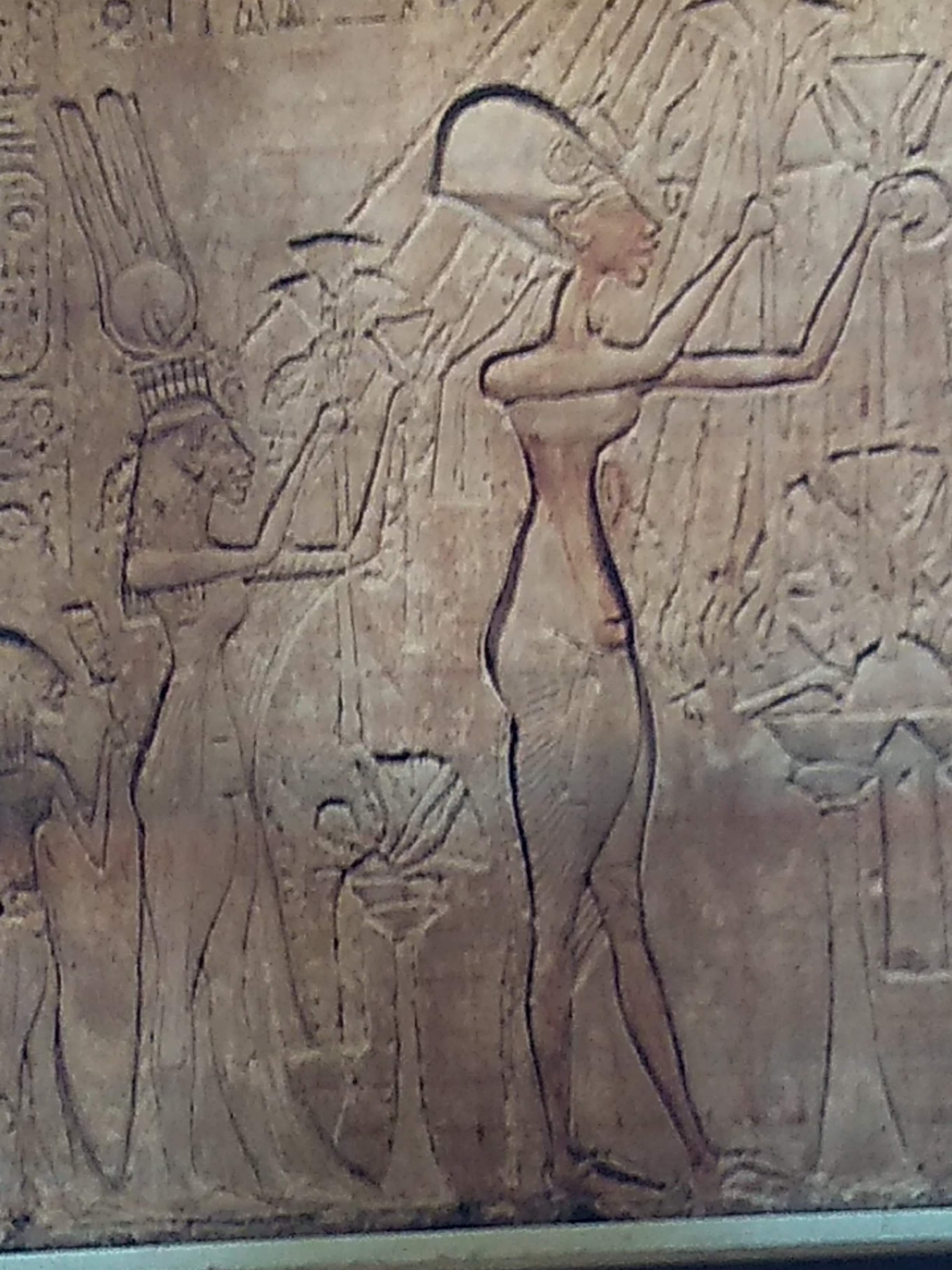
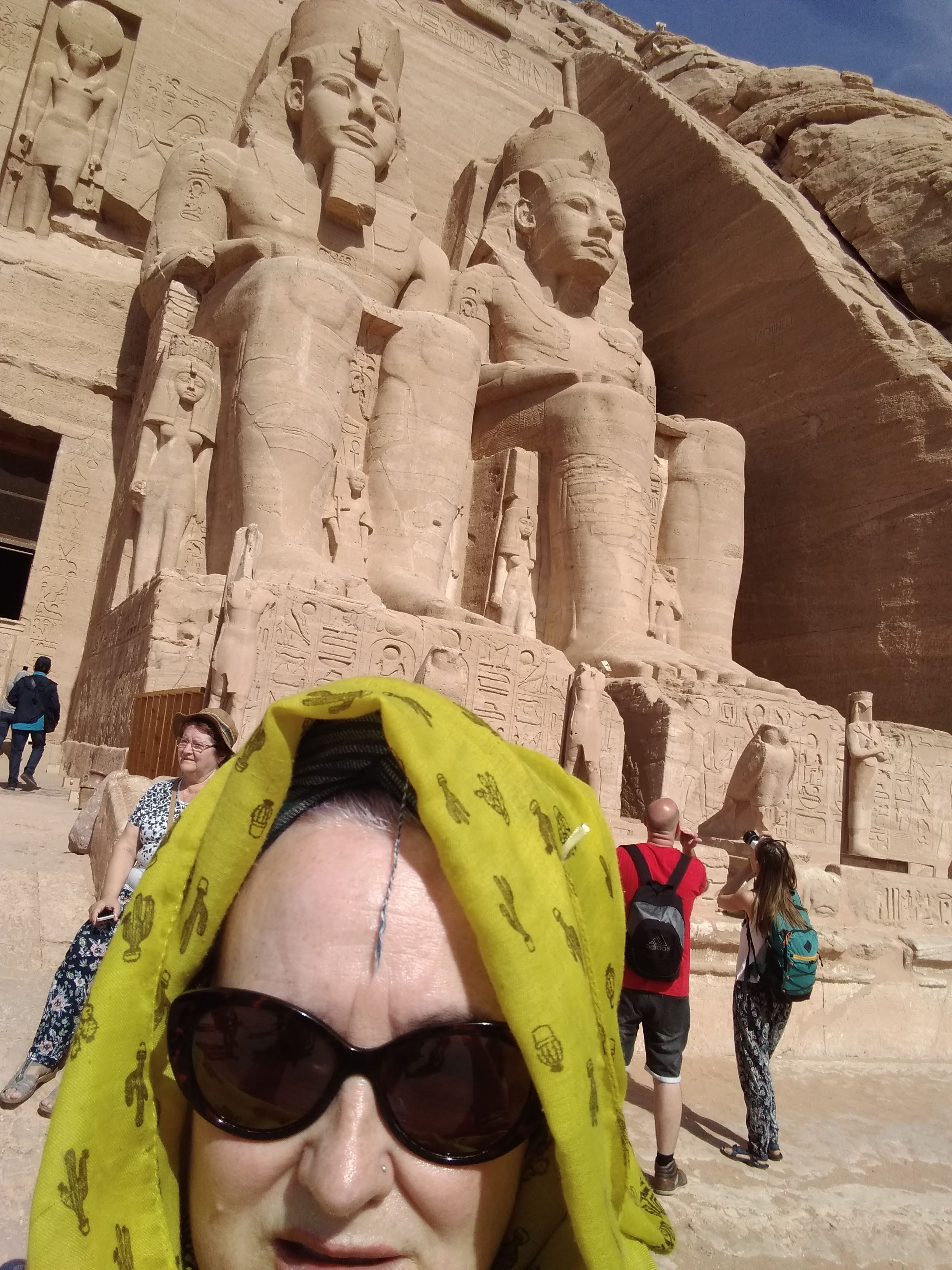
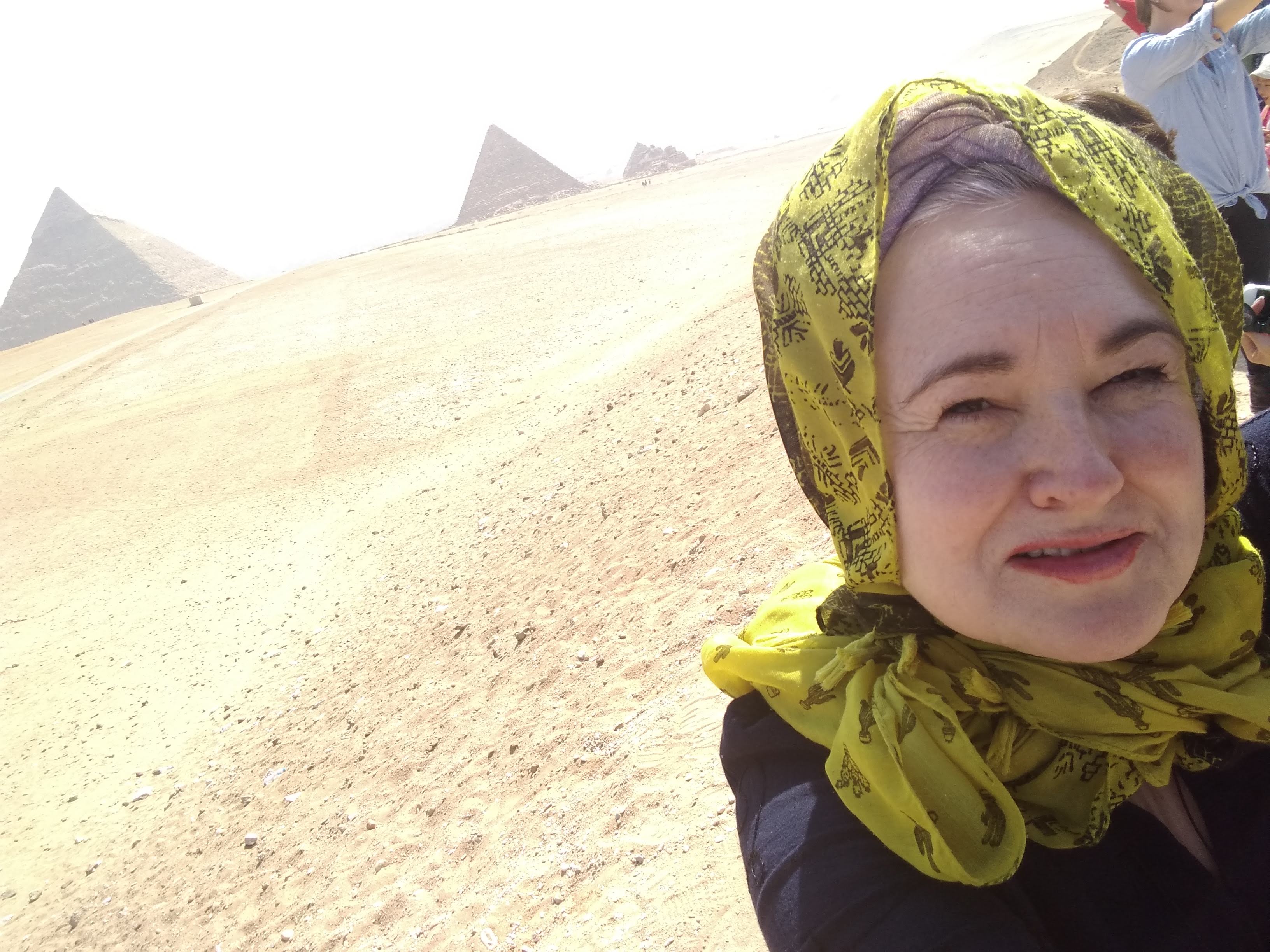
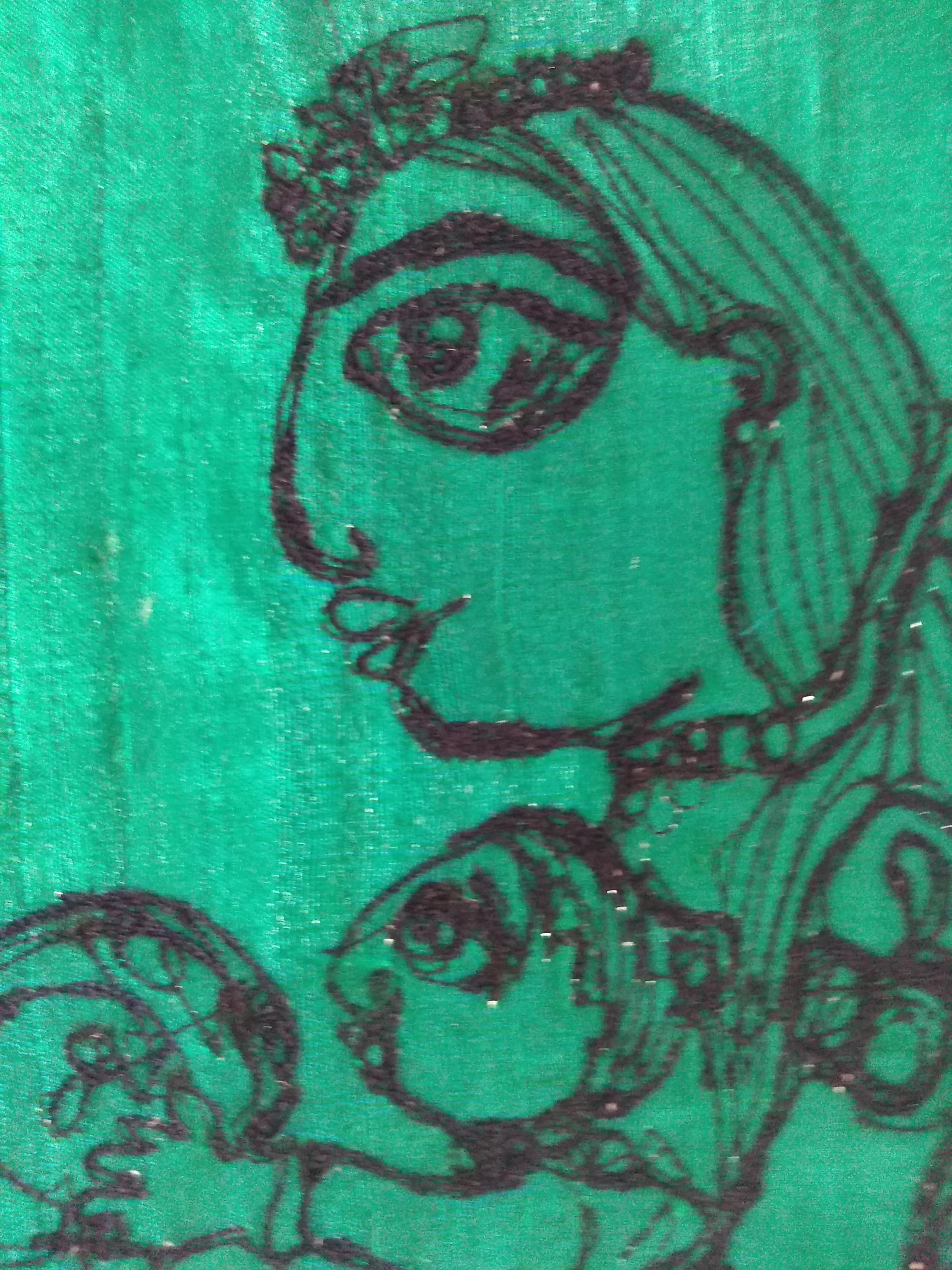
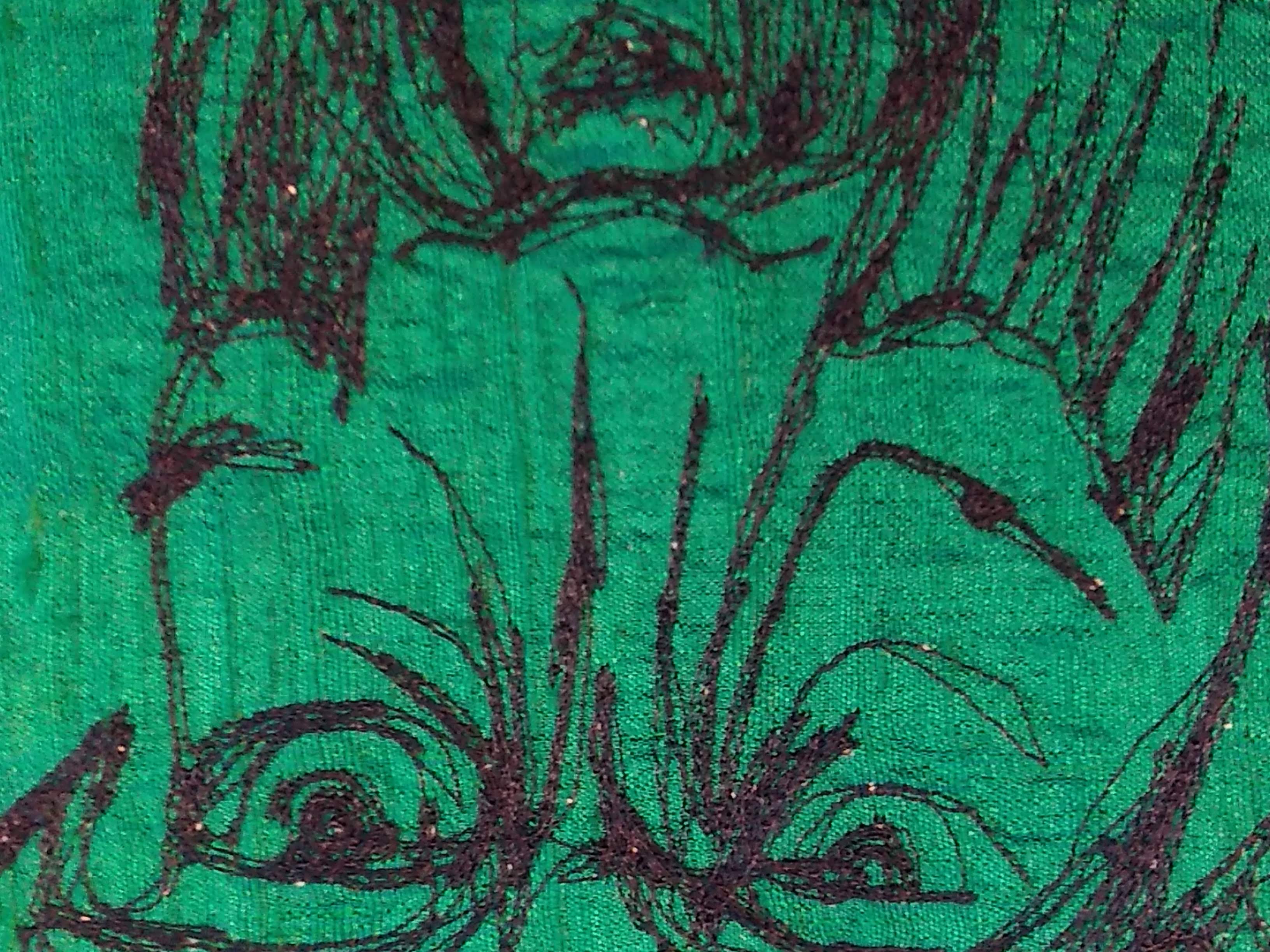
NB why was I originally drawn to Gujarat in 2018?Gujarat is recognised as one of India’s richest regions for embroidery traditions because of the extraordinary diversity of its communities, its long history as a centre of international trade and the continuity of its craft practices. Rather than representing a single embroidery style, Gujarat encompasses numerous distinct traditions, each reflecting the cultural identity, history and environment of the communitiesthat produce them. This combination of cultural diversity, historicalexchange and living craft knowledge makes Gujarat a particularlysignificant location for studying stitch as both a textile practice and a form of embodied cultural heritage.
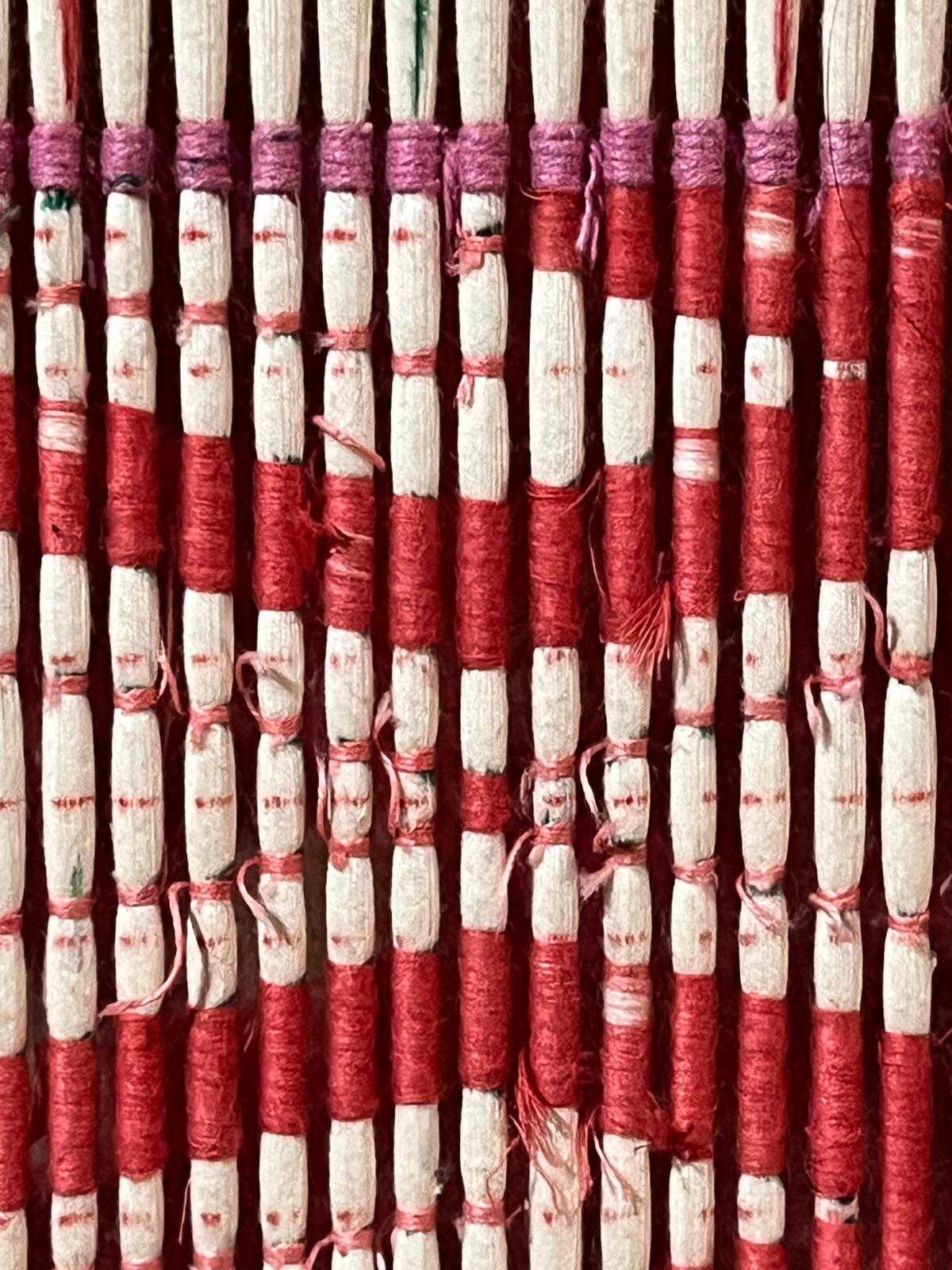
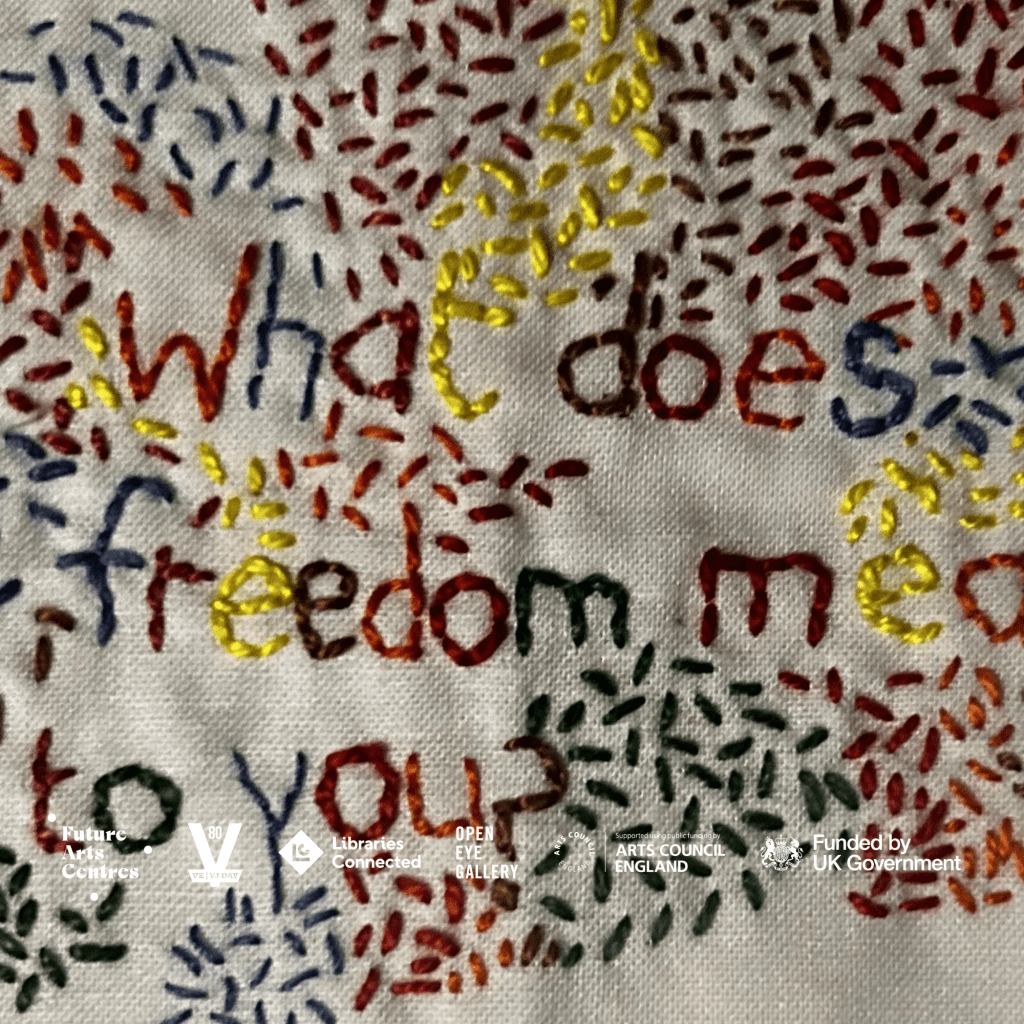











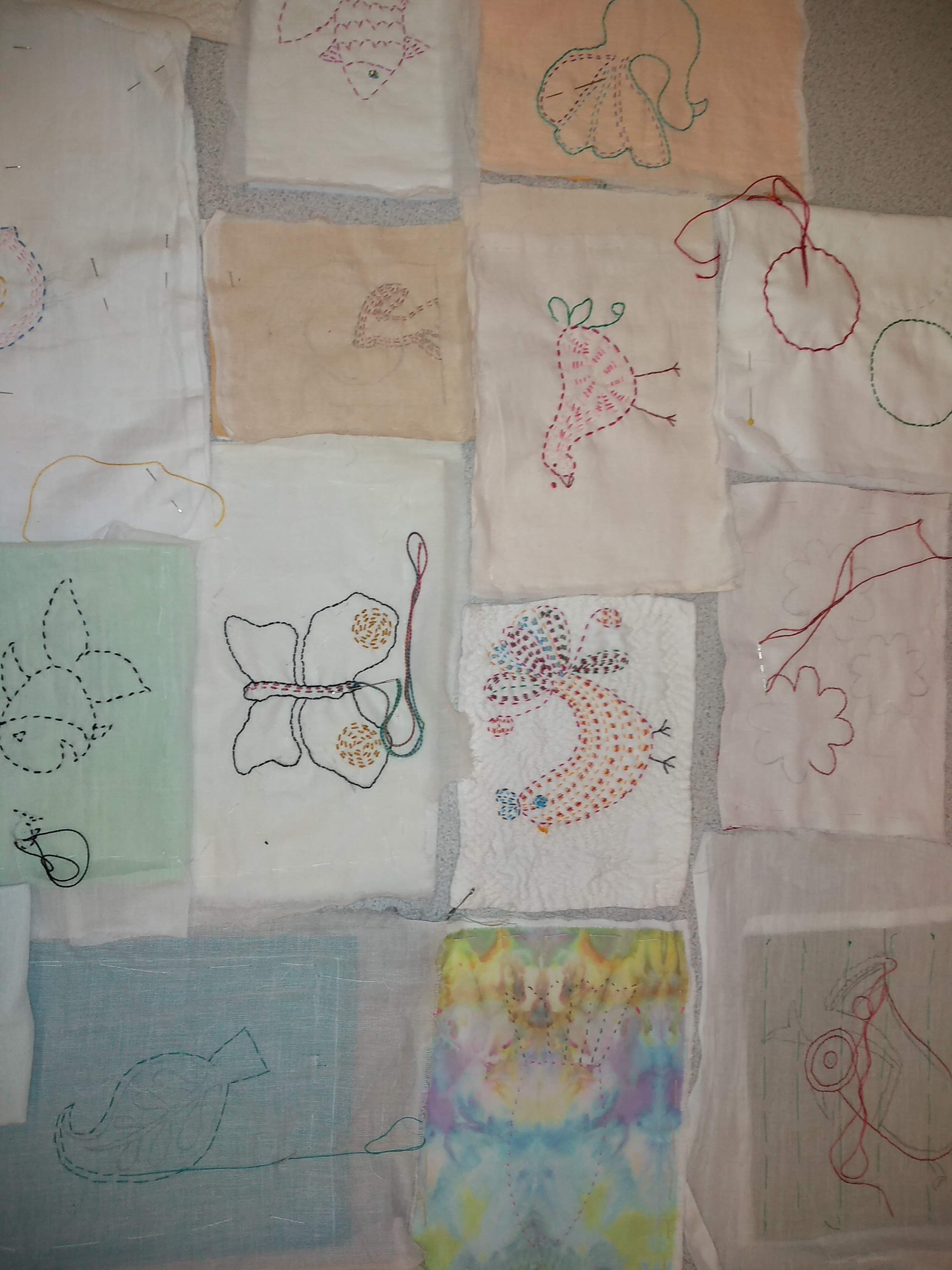










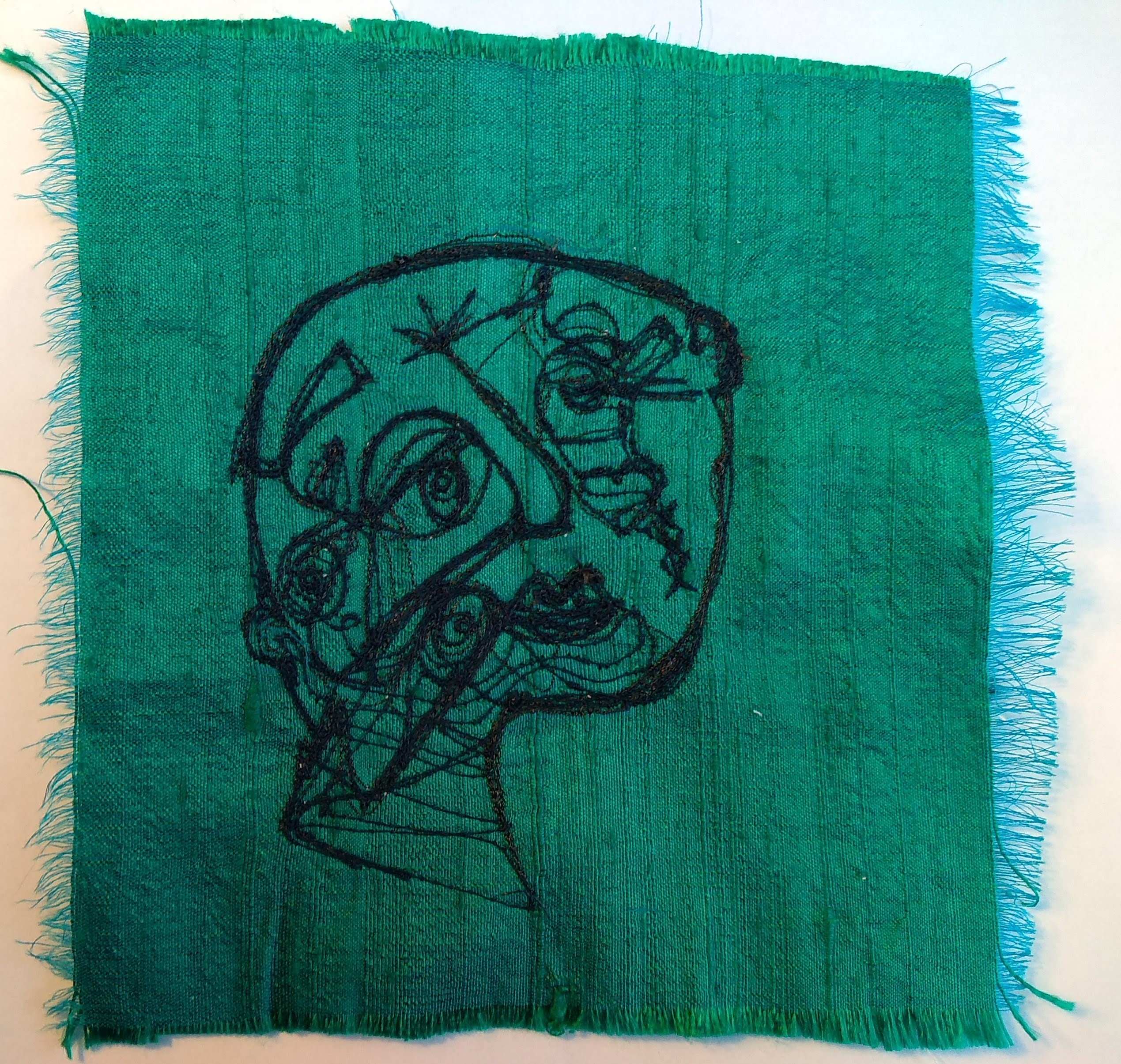







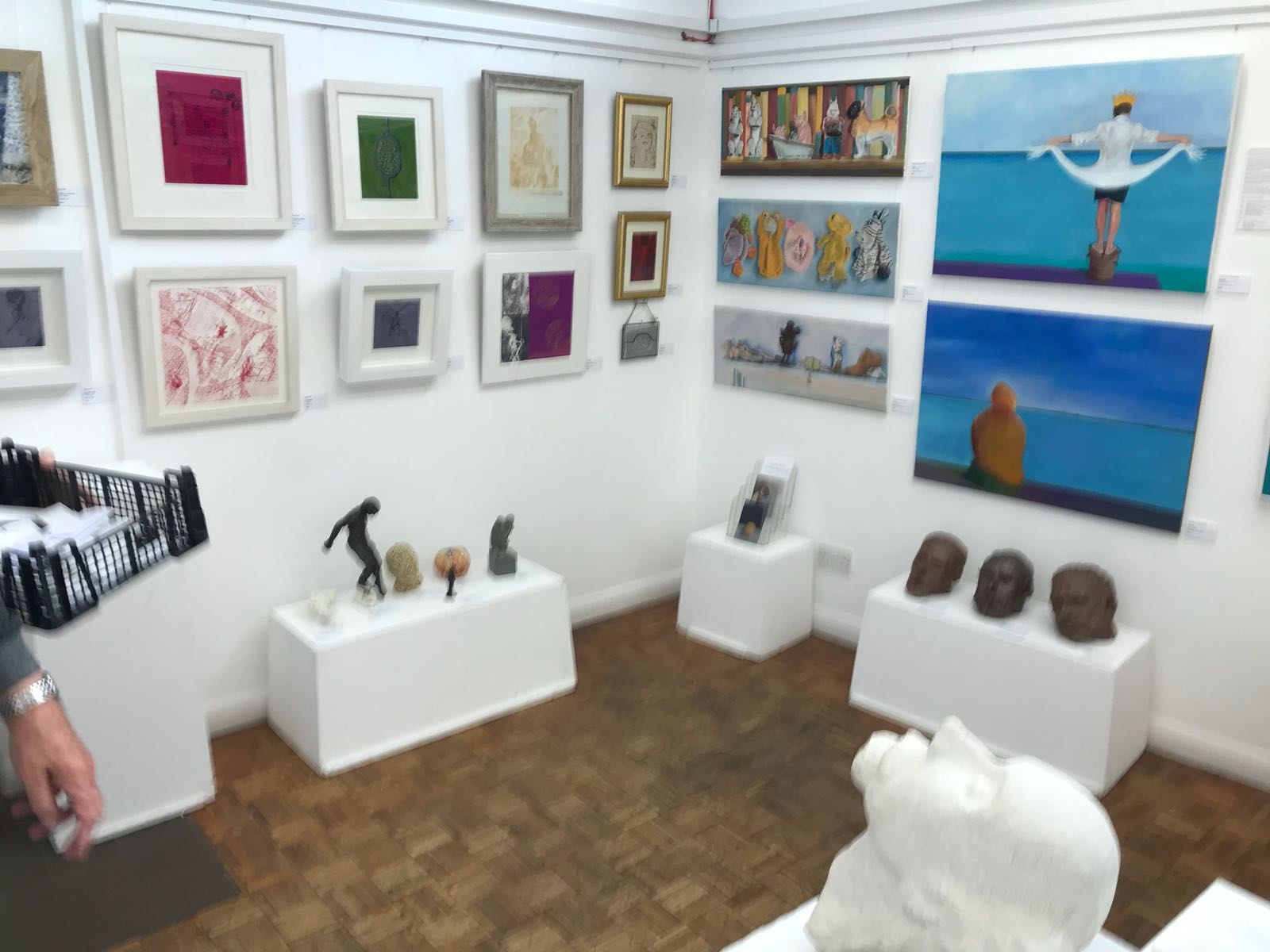
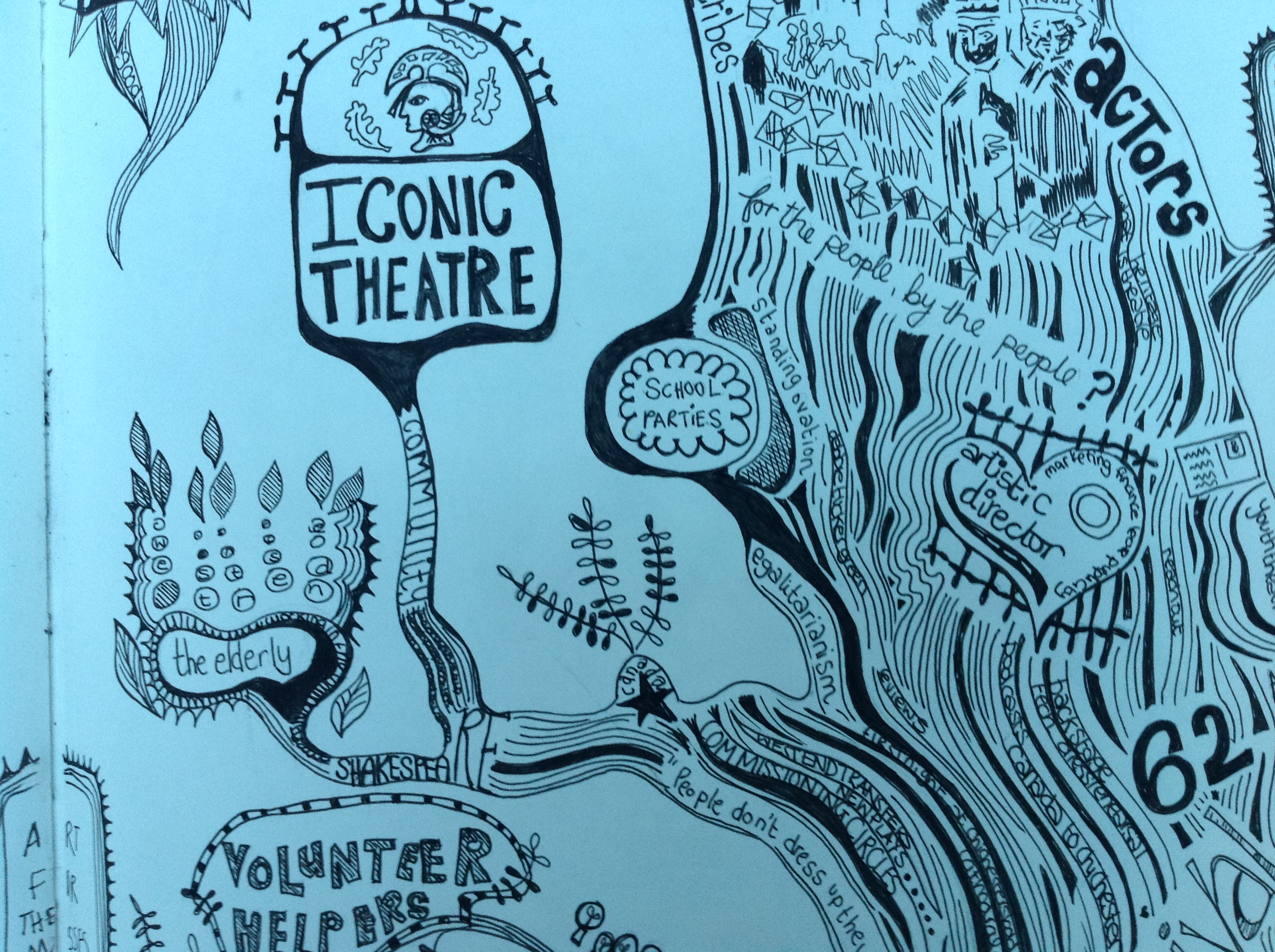
 Over the summer I did another morning stitching at the theatre and went to see ‘The Meeting’ by Charlotte Jones -met her briefly at the directors talk for the play where audience members were encouraged to take part in my ‘Everyone is an Artist’ project. There will be piece to celebrate the outcome of this in the exhibition…I hope you managed a label…if not you could add to it when it is at the theatre from the 15th September.


















![20180430_161108[1]](https://i0.wp.com/helensill.com/wp-content/uploads/2018/05/20180430_1611081.jpg?w=163&h=291&ssl=1 "20180430_161108[1]")
![20180430_161132[1]](https://i0.wp.com/helensill.com/wp-content/uploads/2018/05/20180430_1611321.jpg?w=162&h=291&ssl=1 "20180430_161132[1]")
![20180430_161143[1]](https://i0.wp.com/helensill.com/wp-content/uploads/2018/05/20180430_1611431.jpg?w=246&h=440&ssl=1 "20180430_161143[1]")
![20180430_161148[1]](https://i0.wp.com/helensill.com/wp-content/uploads/2018/05/20180430_1611481.jpg?w=246&h=440&ssl=1 "20180430_161148[1]")

